
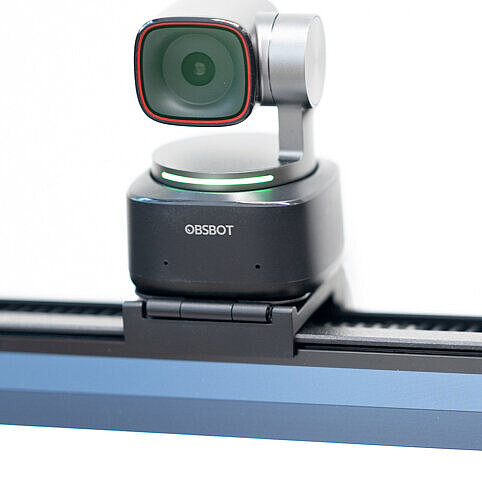
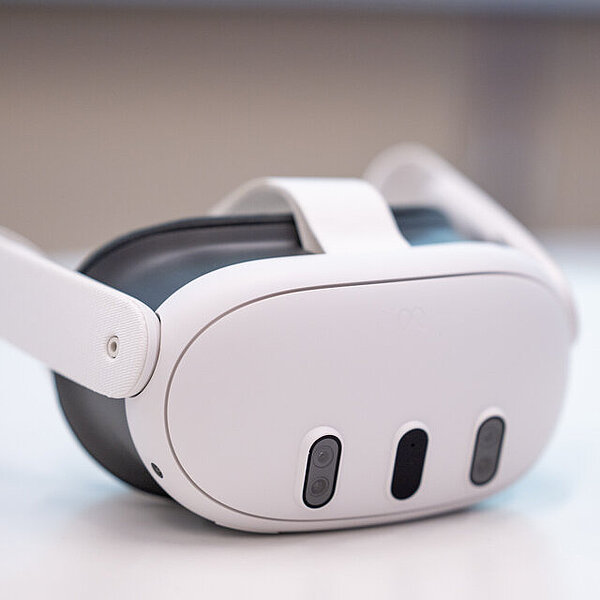
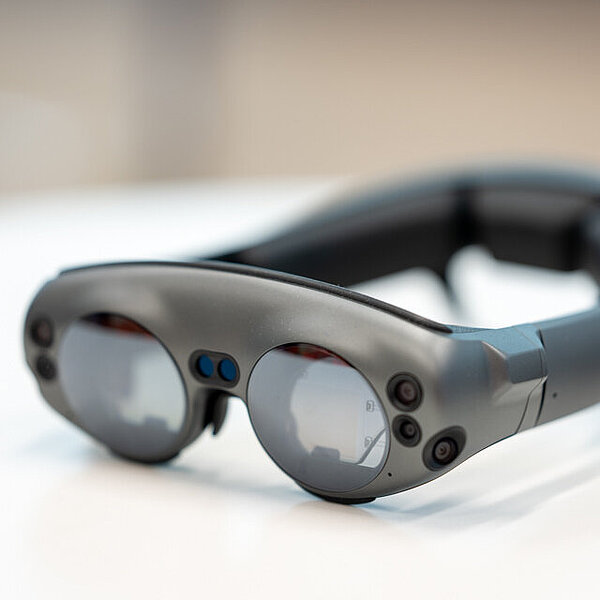
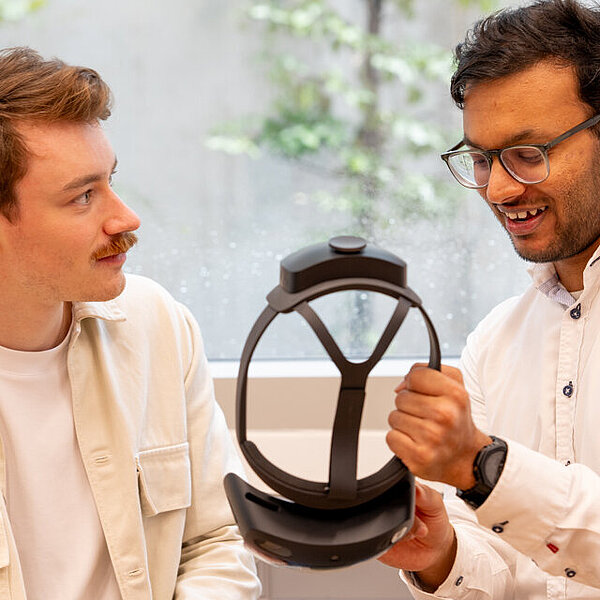
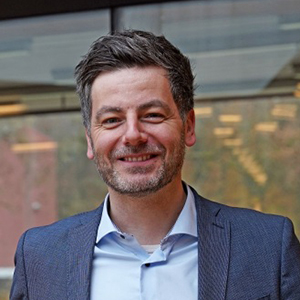
At the Extended Reality Lab (XR Lab) at TUM Heilbronn Campus, state-of-the-art technologies meet innovative teaching and research concepts. Virtual reality systems enable immersive learning experiences in digital augmented reality and VR worlds. In contrast, eye-tracking systems capture the view of test subjects, providing valuable insights into cognitive processes and decision-making. The virtual environment adapts to user behavior in real-time, creating new opportunities for modeling attention, perception, and decision-making behavior. Whether in lectures or real-world applications, the XR Lab brings these immersive technologies into everyday research and teaching. The result is a forward-looking learning and discovery space that benefits science, students, and society. In the video, the two TUM professors, Martin Meißner and David Wuttke from the Center for Digital Transformation, provide insights into the futuristic XR Lab.
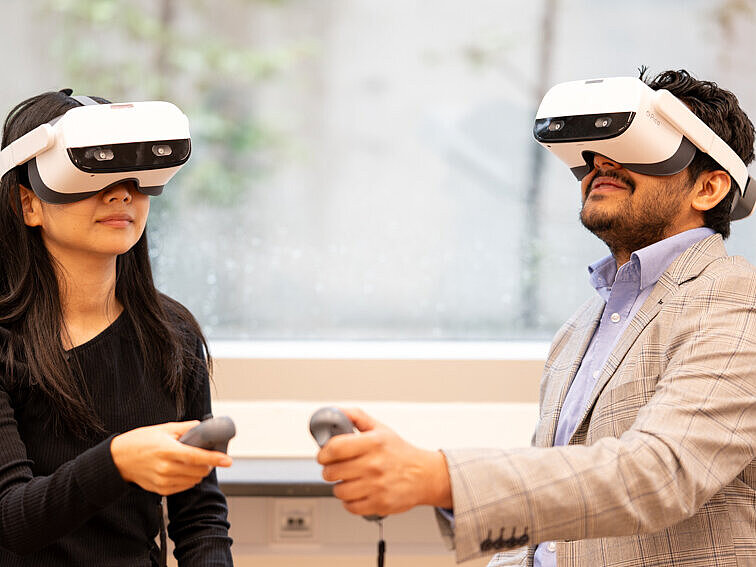
At the TUM Campus Heilbronn, the Extended Reality (XR) Lab plays a central role in our mission to unite cutting-edge technology and management expertise. As part of our commitment to excellence in research and teaching, the XR Lab is a vibrant space where innovative ideas come to life.
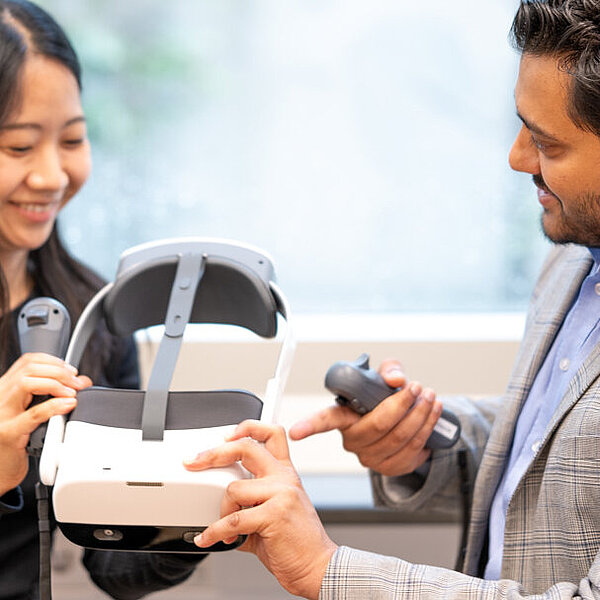
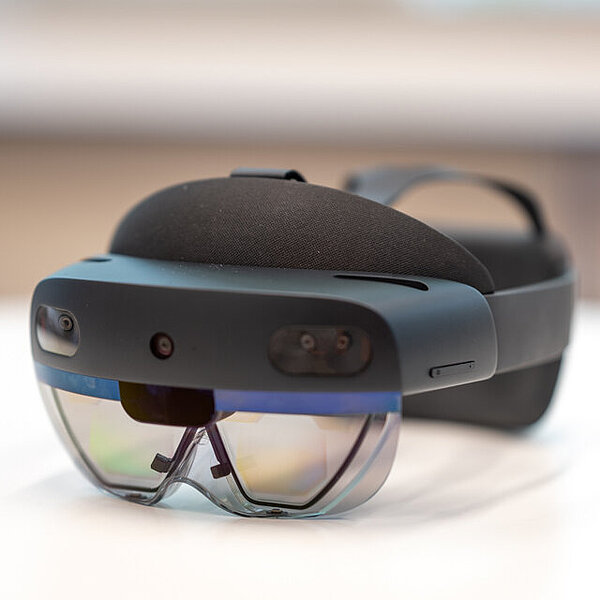
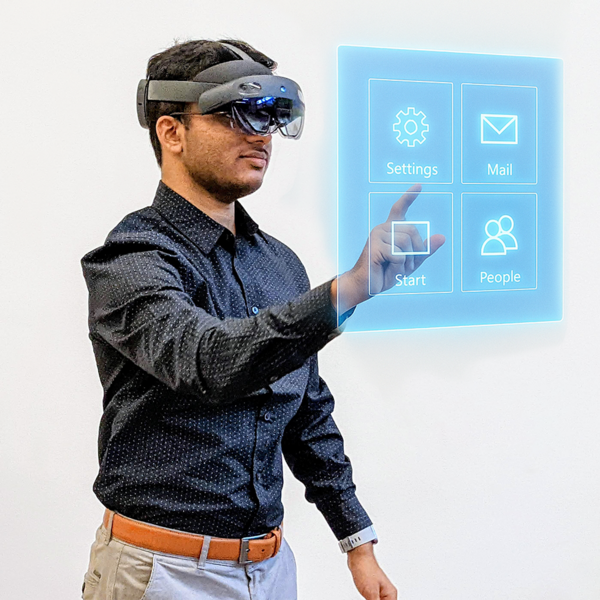
We leverage the XR Lab in both research and education, enabling students and researchers to explore how immersive technologies like virtual reality (VR) and augmented reality (AR) can transform business processes and operations. In our courses, students learn not only how these technologies work, but also how to apply them strategically to enhance decision-making, improve efficiency, and create new business models in an increasingly digital economy.
In addition to teaching, we actively conduct experiments and empirical studies in the XR Lab to better understand human behavior, operational processes, and the impact of immersive environments on managerial decision-making. This practice-oriented approach ensures that our research generates valuable insights for academia and business alike.

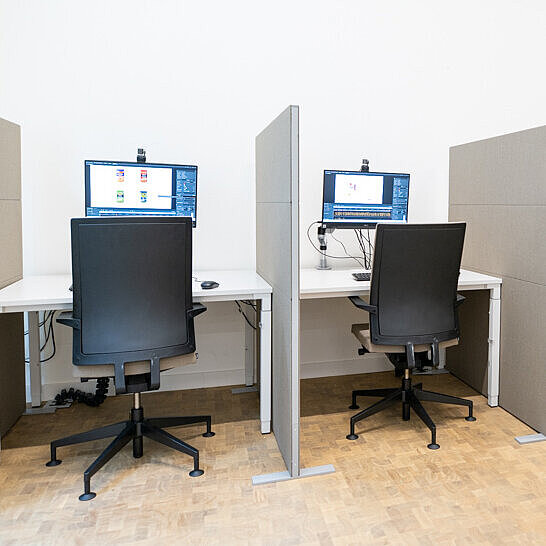
Complementing the XR Lab, we also operate an Eye Tracking Laboratory, which serves as another key facility for our research and teaching activities. This lab allows us to investigate visual attention, user experience, and consumer behavior with high precision, providing our students and researchers with tools to analyze and optimize interactions in digital environments.
Together, these labs reflect our focus at TUM Campus Heilbronn: fostering a deep understanding of how digital technologies shape the future of business, while preparing students and partners to harness these innovations effectively.
Our XR Lab enables empirical research on human behavior, cognition, attention, and interaction in immersive environments. We conduct research that leverages cutting-edge technology not as an end, but as a means to generate insights that drive scientific and practical innovation.
You can take part in our research by joining our participant pool. After registering, you will receive invitations to studies conducted either online or in our XR lab. For each invitation, you can decide whether you would like to participate. Participation in studies is compensated.
All collected data is used exclusively for scientific research purposes.
We look forward to welcoming you to one of our studies.
Professors
Scientific Staff





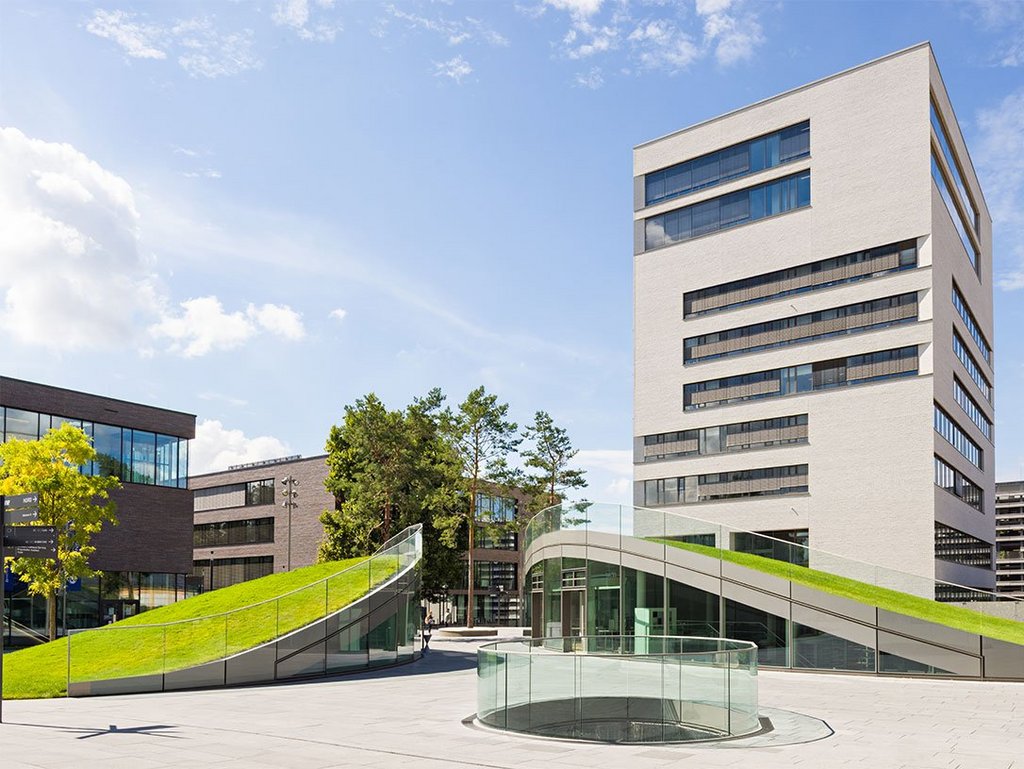
TUM Campus Heilbronn, located within the Heilbronn “Bildungscampus”, is an international campus with all courses taught exclusively in English. It brings together academic excellence and state-of-the-art facilities with a diverse, global student body — surrounded by strong medium-sized enterprises and global market leaders.
The excellent student-to-faculty ratio provides the ideal foundation for academic success, while the personal atmosphere fosters a strong sense of community, exchange, and support.
The campus is situated near the city center of Heilbronn, nestled among scenic vineyards.
Studying at TUM Campus Heilbronn – a university experience with a unique perspective!
